
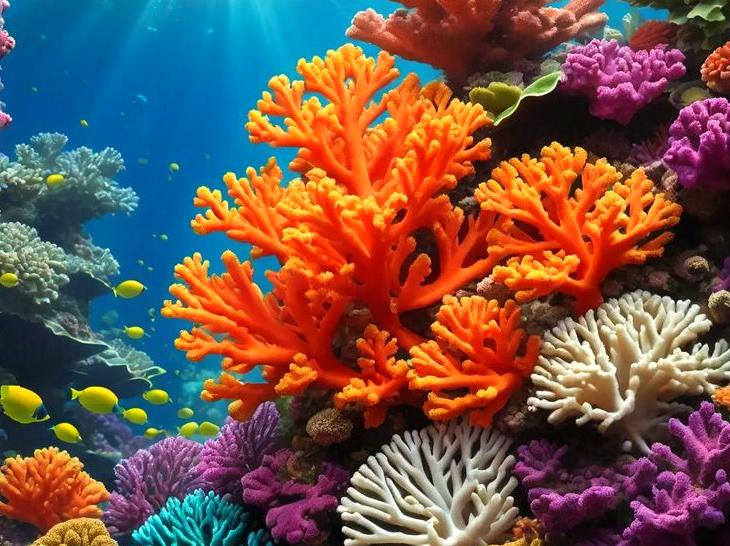
Coral reef art galleries offer a unique intersection of nature and creativity, showcasing human artistry while promoting marine conservation. These underwater installations are strategically placed within vibrant coral environments, creating a stunning visual experience that attracts divers, snorkelers, and art enthusiasts alike. This article explores what makes these art galleries a must-visit, how they contribute to marine awareness, and tips on planning your visit.
Contents
The Allure of Underwater Art Galleries
Underwater art galleries have become increasingly popular destinations among eco-tourists and art lovers, offering an opportunity to experience art in an entirely new dimension. Each installation is designed not only to awe visitors but also to enhance the surrounding ecosystem. By utilizing materials that promote coral growth and support marine life, these artworks serve a dual purpose: they are visually captivating and ecologically beneficial. The immersive experience of swimming through a gallery amidst colorful fish and corals creates a profound connection with the marine world. Visitors often leave with a heightened awareness of the fragility and beauty of our oceans. Moreover, the allure of these installations has been enhanced by social media, where stunning underwater photos can captivate and inspire others to venture out and witness these art forms firsthand.
Notable Underwater Art Galleries Around the World
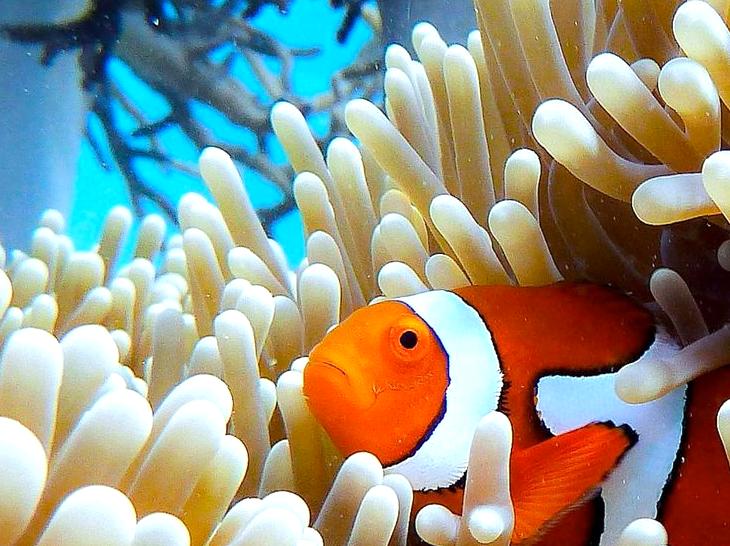
Various locations around the globe have embraced the concept of underwater art galleries, each featuring unique pieces that reflect local culture and marine life. Here are a few notable examples:
-
- MUSA (Museo Subacuático de Arte), Mexico: This expansive underwater museum features over 500 life-sized sculptures designed to promote coral growth and protect marine habitats.
- Neptune Memorial Reef, USA: An underwater cemetery that doubles as an art installation, creating a serene environment that nurtures coral reefs.
- Ocean Atlas, Bahamas: A stunning 18-foot statue of a young girl holding up the ocean, this installation is not only breathtaking but also serves to raise awareness about ocean conservation.
- Underwater Sculpture Park, Grenada: Known for its rich history and vibrant marine life, this park includes sculptures that serve as artificial reefs, enhancing biodiversity.
- The Coral Greenhouse, Australia: This innovative project combines art and conservation, creating an underwater garden designed to nurture corals and marine species.
Each of these locations offers visitors a chance to appreciate the fusion of art and nature while making a positive impact on the environmental landscape.
Benefits of Visiting Underwater Art Installations
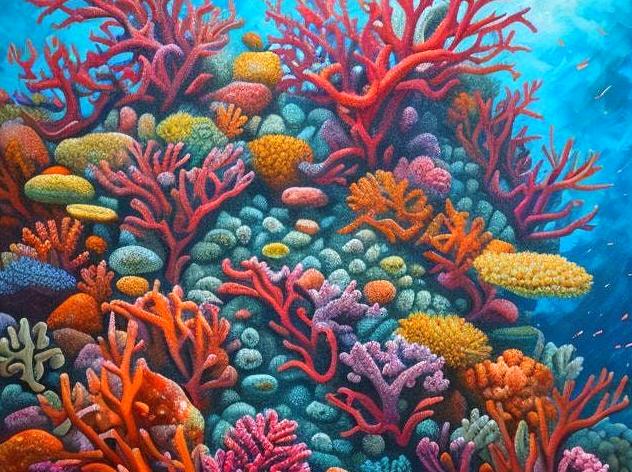
Visiting underwater art galleries provides multiple benefits, both personally and environmentally. Firstly, experiencing art in such an untraditional setting fosters a deep appreciation for both creativity and nature. Visitors find that the serene underwater atmosphere adds a magical dimension to traditional artistry. Secondly, these installations play a crucial role in marine conservation by providing habitats for marine life, thus helping to restore damaged coral ecosystems. As artwork becomes home to diverse species, it ultimately supports biodiversity in marine environments. Moreover, participating in eco-friendly tourism activities promotes environmental awareness and encourages individuals to advocate for ocean conservation. Lastly, visiting these galleries often benefits local economies that rely on tourism, creating a cycle of support for both art and the environment.
Planning Your Visit: Tips for an Unforgettable Experience
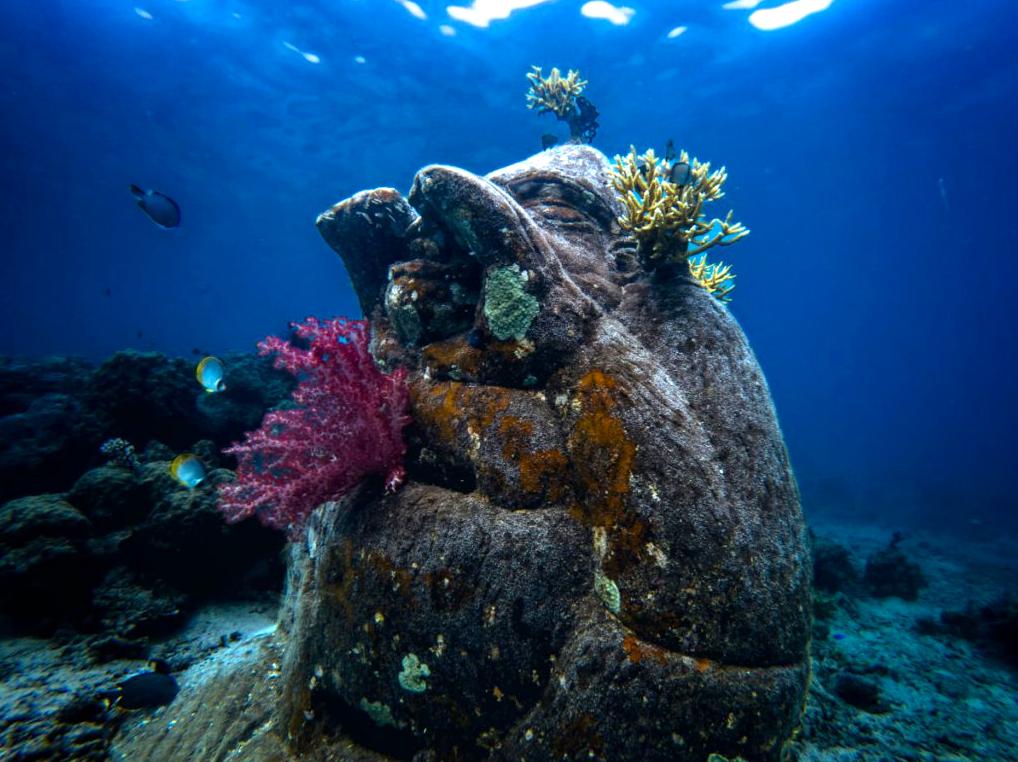
To make the most of your visit to an underwater art gallery, careful planning is essential. Here are some tips to ensure you have a memorable experience:
- Research Location: Familiarize yourself with the gallery’s location and its accessibility. Look for dive shops or tours that cater to your skill level.
- Check Weather Conditions: Underwater visibility is crucial for a good experience. Plan your visit during seasons with optimal weather and water clarity.
- Gear Up Properly: Ensure you have the right snorkeling or diving equipment. If you’re renting gear, verify that it is in good condition.
- Respect the Environment: Always follow guidelines to protect marine life. Avoid touching sculptures or corals and refrain from littering.
- Capture the Moment: Bring a waterproof camera to document your visit. These memories will last a lifetime and help spread the word about marine conservation.
By following these tips, you can enhance your experience and contribute to the ongoing mission of preserving our underwater treasures.
Conclusion
Visiting coral reef art galleries offers an incredible opportunity to merge art with the beauty of nature while fostering a deeper understanding of marine ecosystems. These installations not only captivate visitors through their artistic merit but also serve as vital tools in promoting environmental conservation. As more people become aware of these underwater destinations, the potential for significant positive impacts on both tourism and marine preservation expands. Plan your next adventure to one of these unique art galleries and immerse yourself in the wonders of the ocean.
FAQs
Wear a swimsuit, and consider bringing a wetsuit if the water is cold. Don’t forget snorkeling gear or a diving suit, depending on the specific conditions of the gallery you plan to visit.
2. Are there age or health restrictions for visiting these galleries?
Most galleries have age restrictions based on diving qualifications. It’s essential to check specific policies and consult a health professional if you have any concerns about diving or swimming activities.
3. How deep are the underwater art installations?
Depth varies by location, ranging from shallow areas accessible by snorkeling to deeper points for certified divers. Always check specific details for each gallery.
4. Can I visit these galleries without diving experience?
Yes, many underwater art galleries offer snorkeling options that allow you to experience the art without needing deep diving skills. Always verify the available activities before your trip.
5. What materials are used for underwater sculptures?
Materials are environmentally friendly and designed to promote marine growth. Common materials include limestone, concrete, and other sustainable resources to minimize environmental impact.